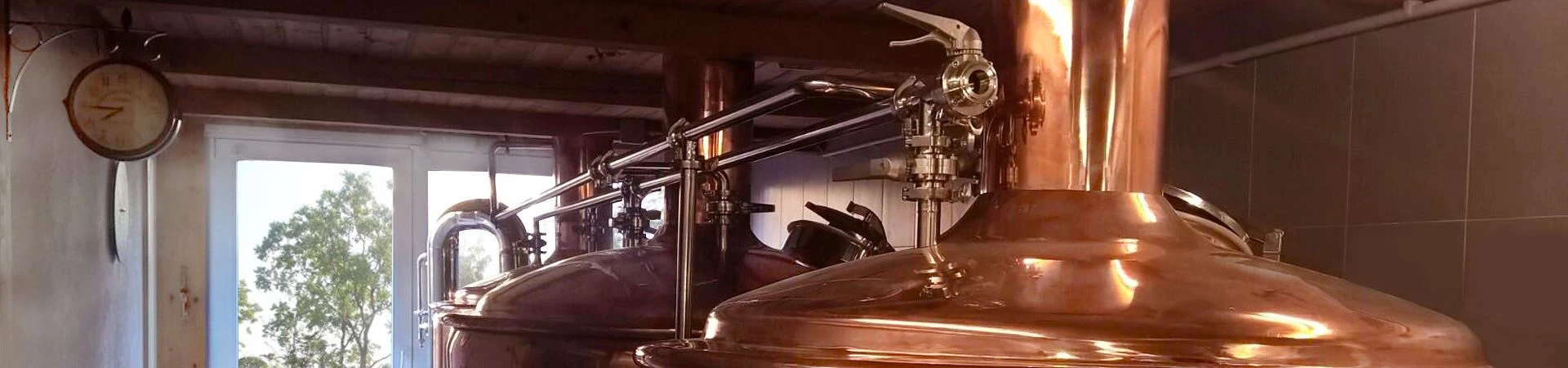
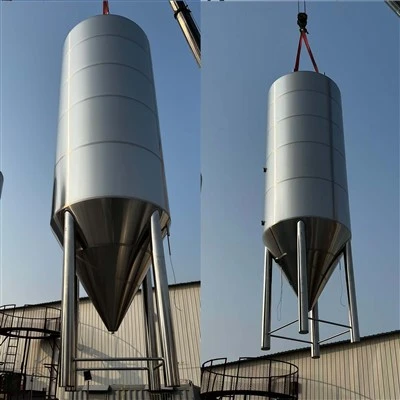
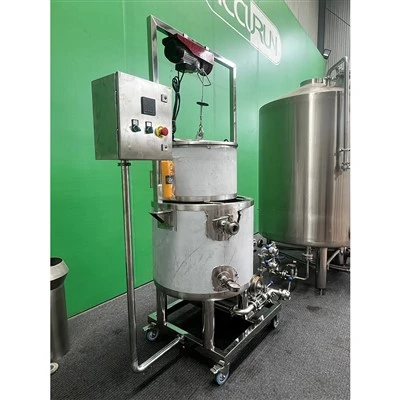
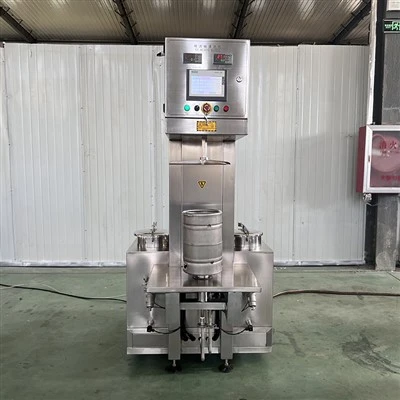
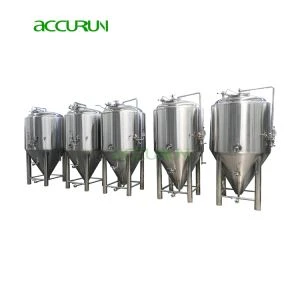
Taian Accurun Machinery Co., Ltd. provides brewery solutions for businesses planning new brewery installations, expanding existing production facilities, or upgrading individual brewing processes. Our product range covers brewhouse systems, beer fermentation tanks, bright beer tanks, keg cleaning and filling equipment, and other equipment used in brewery operations.
From compact 100L brewing setups to larger commercial brewing systems, our equipment range supports different production scales and operating requirements. Buyers can explore individual machines or combine relevant equipment to plan a brewery configuration based on production capacity, available space, brewing processes, and future development needs.
Nano & Small Brewery Solutions
Nano and small brewery solutions are suitable for pilot brewing, small-scale commercial production, brewpubs, restaurants, and businesses entering the craft beer market.
For buyers starting with a limited production capacity, a compact brewing setup can provide the main equipment needed for brewing while making practical use of available floor space. Equipment selection should consider batch size, brewing frequency, heating method, fermentation capacity, and the intended serving or packaging process.
Accurun offers several small-capacity brewing equipment options:
- 100L Nano Brewery Small Beer Brewing
- 100L Mini Brewery Equipment
- 100L Brew House
- 200L Brewery Equipment
- 200L Brewery System
- 200L Beer Brewery Equipment
- Restaurant Beer Equipment
These options give small brewery operators and hospitality businesses a starting point for comparing equipment by capacity and application. Before selecting a system, buyers should also estimate the number of batches required per week and the fermentation tank capacity needed to support their production schedule.
Microbrewery Solutions
Microbrewery solutions are designed for craft breweries and brewpubs that need more production capacity than a small pilot setup. Equipment selection at this scale involves coordinating the brewhouse, fermentation tanks, cooling equipment, and beer storage or packaging equipment.
Accurun's microbrewery equipment range includes systems and individual machines in several capacities:
- 300L Micro Brewery Equipment
- 300L Brewery Equipment
- 500L Craft Beer Brewing Equipment
- Beverage Beer Equipment
- Direct Fire Brew House
- 1000L Brewhouse Brewing System
For a microbrewery project, the brewhouse capacity should be considered together with the fermentation and storage stages. A suitable configuration depends on batch frequency, fermentation time, product range, and the amount of beer that needs to be stored or packaged at one time.
Craft & Commercial Brewery Solutions
Craft and commercial brewery solutions are intended for businesses with higher production targets, established distribution channels, or plans to expand their brewing operations.
At this scale, buyers need to evaluate more than the nominal brewhouse capacity. The number of brewing batches, fermentation capacity, tank turnover, packaging requirements, utility availability, and production space all affect the overall equipment configuration.
Accurun offers the following larger-capacity brewhouse and brewery system options:
- 1500L Beer Brewhouse
- 1200L Two Vessel Brewhouse System
- 10HL Brew House
- 10BBL Commercial Craft Beer Brewing Equipment
- 10 BBL Beer Brewing Equipment
- 10BBL Beer Brewery System
- 20BBL Craft Beer Brewery System
- 30BBL Brewing System
- 3000L Brewery Equipment
The right system depends on the brewery's planned output and production process. For example, a brewery with frequent brewing cycles may prioritize brewhouse efficiency, while a business with a growing packaged-beer operation may need to pay closer attention to fermentation capacity, bright beer storage, and keg or bottle filling requirements.
Capacity units should also be compared carefully. HL, liters, and BBL are different volume units, so buyers should confirm the intended batch capacity and equipment specifications when comparing systems from different suppliers.
Fermentation & Beer Storage Tank Solutions
Fermentation and beer storage equipment plays an important role in brewery production. Fermentation tanks are used during beer fermentation and maturation, while bright beer tanks are generally used for beer conditioning, clarification, carbonation, and temporary storage before packaging or serving, depending on the brewery's process.
Accurun's tank range includes conical fermentation tanks, unitanks, and bright beer tanks in different designs and capacities.
Fermentation Tanks and Unitanks
- SUS 304 Beer Fermentation Tank
- Craft Beer Fermenters
- 1000L Beer Fermentation Tank
- 30BBL Conical Beer Fermenting Tank
- 2000L Conical Beer Fermentation Tank
- 1000L Stainless Steel Beer Fermentation Tank
- 500L Beer Fermentation Tank
- Brewery Unitank
- Beer Brewing Fermenting Machine
Bright Beer Tanks
- Stainless Steel Bright Beer Tank
- Bright Beer Brewing Tanks
- 1000L Bright Beer Tank
When selecting tanks, buyers should consider the required working volume, tank quantity, fermentation schedule, beer styles, cooling requirements, cleaning arrangements, and available installation space. Tank capacity should be planned in relation to the brewhouse output and expected production cycle rather than selected as an isolated specification.
Keg Cleaning, Filling & Packaging Equipment
Cleaning and packaging equipment supports the handling of finished beer after brewing and conditioning. For breweries supplying draft beer, keg cleaning and filling equipment is an important part of the packaging process.
Accurun's product range includes equipment for keg cleaning and keg filling:
Keg Washing Equipment
- Beer Kegs Washer
- Manual Beer Keg Washer
- Beer Keg Cleaning Machine
Keg and Bottle Filling Equipment
- Beer Kegs Filler
- Beer Bottles Filler
The choice of packaging equipment depends on the brewery's distribution model, packaging format, expected filling volume, and operating requirements. Breweries supplying pubs, restaurants, and draft-beer distributors may prioritize keg handling, while businesses selling bottled beer need to consider their bottle filling requirements.
Specialized Brewing & Distilling Equipment
In addition to standard brewery systems and tanks, Accurun's product range includes equipment for specific beverage production applications.
- 1000L Alcohol Distillation Equipment
This equipment is intended for alcohol distillation rather than standard beer brewing. Buyers planning a distillation project should evaluate the intended product, process requirements, equipment configuration, and applicable local regulations separately from their brewery equipment requirements.
Brewery Equipment Configuration: What Should Be Included?
A brewery system is made up of equipment that performs different stages of production. Selecting individual machines without considering how they work together can lead to capacity mismatches, space constraints, or unnecessary investment.
A practical brewery equipment configuration may involve the following equipment groups:
Brewhouse System
The brewhouse handles the main brewing stages, including mashing, lautering, wort boiling, and whirlpool processing, according to the selected system design. Buyers should compare batch capacity, vessel arrangement, heating method, and the number of brewing cycles required.
Fermentation Tanks
Fermentation tanks provide the capacity needed for fermentation and maturation. Their total working volume and quantity should be considered in relation to the brewhouse output, fermentation duration, and production schedule.
Bright Beer Tanks
Bright beer tanks support beer conditioning and storage before serving or packaging. Their capacity and quantity depend on the brewery's packaging schedule, product range, and finished-beer storage requirements.
Cooling and Temperature Control
Cooling equipment is an important consideration for maintaining the required temperatures during fermentation and beer storage. Buyers should assess the cooling requirements of the selected tanks and the operating conditions of the brewery.
Cleaning and Packaging Equipment
Keg washers, keg fillers, and bottle filling equipment support downstream operations. The appropriate equipment depends on whether the brewery primarily supplies draft beer, bottled beer, or multiple packaging formats.
The final configuration should be evaluated as a connected production process. Brewhouse output, fermentation capacity, storage volume, cooling demand, cleaning arrangements, and packaging requirements should be considered together.
How to Choose the Right Brewery Equipment
Choosing brewery equipment requires more than comparing equipment prices or nominal capacities. Buyers should first define their production requirements and then evaluate the equipment configuration that supports those requirements.
01/
Define Your Target Production Capacity
Estimate the planned beer output per batch, the number of brewing days per week, and the expected monthly or annual production volume. This information provides a starting point for selecting the brewhouse capacity.
02/
Choose the Appropriate Brewhouse Configuration
Compare vessel arrangements, heating methods, and brewing processes. The available installation space, energy supply, production schedule, and operating preferences should all be considered.
03/
Calculate Fermentation and Storage Requirements
Fermentation capacity should account for the time required by the intended beer styles and the planned brewing frequency. Bright beer tank capacity should also match the expected packaging or serving schedule.
04/
Consider the Brewery Layout and Utilities
Review the available floor area, equipment access, drainage, water supply, electrical requirements, and heating or cooling utilities. These factors influence equipment placement and the practical operation of the brewery.
05/
Plan for Cleaning and Packaging
Determine whether the brewery will sell beer in kegs, bottles, or both. Select cleaning and filling equipment according to the required packaging format and expected handling volume.
06/
Allow for Future Production Changes
If production is expected to increase, consider whether the initial equipment arrangement can accommodate additional tanks or other equipment later. Planning for possible expansion can help reduce the need for major layout changes.
Brewery Projects & Equipment Planning
A brewery project involves more than selecting a brewhouse or purchasing fermentation tanks. Equipment capacity, process requirements, installation space, utility conditions, and packaging arrangements all need to be considered before a final equipment list is prepared.
Taian Accurun Machinery Co., Ltd. provides pre-sales support for brewery equipment planning, including layout planning, technical drawings, and 3D design. These materials can help buyers review equipment arrangement and project requirements before moving forward with an equipment purchase.
For a more relevant equipment recommendation, buyers should prepare the following information:
- Planned production capacity per batch and per day
- Preferred brewing system capacity and vessel arrangement
- Required number and capacity of fermentation and bright beer tanks
- Available brewery floor area or layout drawings
- Available heating, electrical, water, and cooling utilities
- Intended beer styles and packaging formats
- Any specific equipment or process requirements
Providing these details helps establish a clearer basis for discussing equipment selection and project configuration.
Frequently Asked Questions
Q: What brewery equipment is needed to start a brewery?
A: A brewery generally needs a brewhouse system, fermentation tanks, and the necessary cooling and cleaning arrangements. Depending on the production process and sales model, bright beer tanks, keg washers, keg filling machines, or bottle filling equipment may also be required. The final equipment list depends on the brewery's capacity and operating requirements.
Q: How do I choose the right brewery system capacity?
A: Start by estimating the required beer output per batch and the number of batches planned per week. Then consider fermentation time, the number of tanks required, and the expected packaging schedule. The brewhouse capacity should be evaluated together with the rest of the production system.
Q: What is the difference between a fermentation tank and a bright beer tank?
A: A fermentation tank is used for beer fermentation and, depending on the process, maturation. A bright beer tank is generally used for conditioning, clarification, carbonation, and temporary storage before packaging or serving. Their functions are different, so the required capacity and quantity should be planned separately.
Q: Can I purchase individual brewery equipment instead of a complete system?
A: Yes. Buyers can explore individual equipment such as brewhouses, fermentation tanks, bright beer tanks, keg washers, and filling machines. The selected equipment should be checked for compatibility with the existing production process, connections, and capacity requirements.
Q: What information should I provide when requesting a brewery equipment quotation?
A: Useful information includes the target production capacity, preferred brewhouse configuration, required tank capacities and quantities, brewery layout, available utilities, and intended packaging format. Technical drawings or floor plans can also help clarify the equipment arrangement.
Q: Can brewery equipment be planned according to my facility layout?
A: Accurun provides pre-sales support that includes layout planning, technical drawings, and 3D design. Buyers can share their available floor area, layout drawings, and production requirements for equipment planning discussions.
Discuss Your Brewery Equipment Requirements with Accurun
Whether you are planning a nano brewery, setting up a microbrewery, expanding a craft beer production facility, or sourcing individual tanks and packaging machines, choosing equipment that matches your actual production needs is essential.
Taian Accurun Machinery Co., Ltd. offers a range of brewery equipment covering brewhouse systems, fermentation tanks, bright beer tanks, keg cleaning machines, and filling equipment.
Contact our team to discuss your planned production capacity, facility layout, equipment requirements, and preferred brewery configuration. Providing your project details will help us understand your requirements and discuss suitable equipment options.

 Language